

Tire Repair, Replacement & Alignment for All Makes
When a tire goes soft on the shoulder of I-35 or a nail finds your sidewall in a Target parking lot, you need a shop that treats tires as core business — not an afterthought squeezed between oil changes. At Total Auto Works, tires are one of the most common reasons drivers walk through our doors, and we handle all three real-world tire jobs under one roof: patching a leak, mounting new tires, and getting your alignment dialed in so the new rubber actually lasts. We work on all makes and models at both of our Central Texas locations.
What's included
- Tire repair and patching — inspected off the wheel, patched from the inside, not plugged from outside
- New tire replacement matched to how and where you actually drive
- Mounting and balancing on-site at both shops
- Four-wheel alignment checked and corrected whenever we replace tires
- TPMS warning lights diagnosed, repaired, and reset
- Straight answers on repair vs. replace — import and domestic vehicles alike
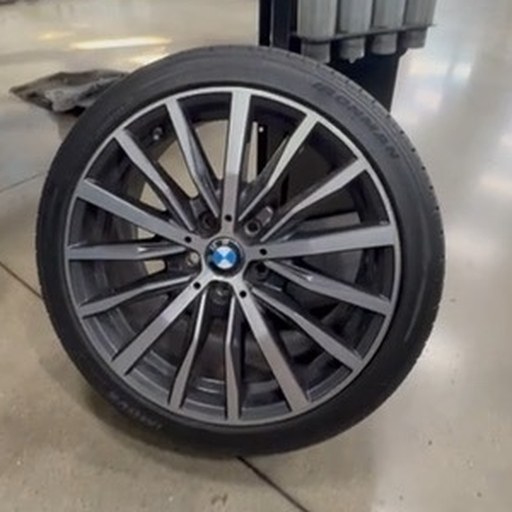
Tire repair and patching
Not every flat needs a new tire. If the puncture is in the tread area, within accepted repair standards, and the tire hasn't been run flat or sidewall-damaged, a proper repair — plug-and-patch from the inside, not a cheap plug jammed in from outside — can get you safely back on the road. We inspect the tire off the wheel so we can see damage a roadside plug kit would miss, including sidewall bulges, bead damage, or a second puncture you didn't know about.
New tire replacement
When a tire is beyond repair — worn past the wear bars, sidewall-damaged, or simply too old — we'll walk you through replacement options that match how and where you actually drive: daily commuting, highway miles, or year-round performance. We mount, balance, and set you up with a straightforward maintenance plan so the next set lasts as long as it should.
Alignment and balancing
New tires and a bad alignment don't mix. An alignment that's off pulls the vehicle to one side, wears new tread unevenly, and can turn a fresh set of tires into another set within a year. Balancing removes the vibration you feel in the steering wheel or seat at highway speed — often the first sign a tire, or a wheel weight, needs attention. We check and correct both whenever we replace tires, and we also handle alignment and balancing on their own.
When to replace vs. repair
Signs it's time for new tires rather than a patch: tread worn to 2/32 of an inch or less (the penny test), cracking or dry rot on the sidewall, a puncture in the shoulder or sidewall rather than the tread, a tire that's been run flat, or a tire over six years old regardless of tread depth. If you're not sure which category you're in, bring it by — we'll tell you honestly whether it's a repair or a replacement, no upsell.
Texas tires take a beating
Texas summers push pavement temperatures well past 140°F, and heat is one of the fastest ways to age a tire — it breaks down the rubber compound and raises blowout risk on a long highway run, especially on a tire already low on tread. Add pothole damage, big swings in tire pressure as temperatures shift 30–40 degrees between morning and afternoon, and a TPMS light that won't reset itself, and Central Texas driving is genuinely hard on tires year-round. If your TPMS light is on, don't ignore it — it usually means a tire has lost pressure faster than normal.
Why choose Total Auto Works for tires
Tires are a daily job here, not a side service. We're an all-makes shop, so the same team that mounts your tires also handles the brakes, suspension, and alignment work that affects how those tires wear — import and domestic vehicles alike. You get straight answers on repair versus replace, and two Central Texas locations to choose from: Round Rock on Louis Henna Blvd and North Austin on N Lamar Blvd.
Frequently asked questions
Can you actually repair a flat, or do you just tell everyone they need new tires?
Plenty of flats are genuinely repairable. If the puncture is in the tread, small enough, and the tire hasn't been run flat, we'll patch it properly rather than sell you a tire you don't need.
How do I know if my tire can be patched or needs replacing?
It comes down to where the damage is and how bad it is. Tread punctures within size limits are usually repairable; sidewall damage, run-flat damage, or worn-out tread means replacement.
Do you handle TPMS warning lights?
Yes. A TPMS light almost always means a tire is losing air faster than it should. We'll check all four tires, find the cause, and reset the system.
How often should tires be rotated and balanced?
Most manufacturers recommend rotation roughly every 5,000–7,500 miles, and balancing whenever you feel a vibration at highway speed or install new tires.
Does a wheel alignment matter if I'm not buying new tires?
Yes — an alignment that's off will wear down the tires you already have, sometimes unevenly enough to see in the tread.
Do you work on all vehicle makes?
All makes and models, import and domestic — cars, trucks, and SUVs.
What causes a tire to wear unevenly?
Usually alignment, tire pressure, or a worn suspension component. We check all three so we're fixing the cause, not the symptom.
Can extreme summer heat really cause a blowout?
Yes. Heat accelerates tire aging and raises internal pressure; a tire already low on tread or underinflated is at real risk on a long Texas highway drive.
Tire Repair & Replacement by location
Other services we offer in Austin
Tire Repair & Replacement by Make
We handle tire repair & replacement on every make we service — domestic, import and European. Pick yours for model-specific detail.
Areas We Serve
Both shops draw from across the north Austin metro. Find the drive from your side of town.
Ready to book tire repair & replacement?
Two Austin-area locations. Same-day service often available.